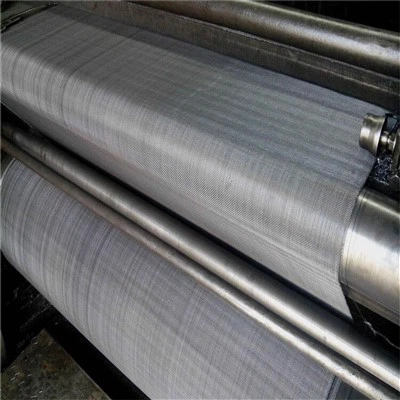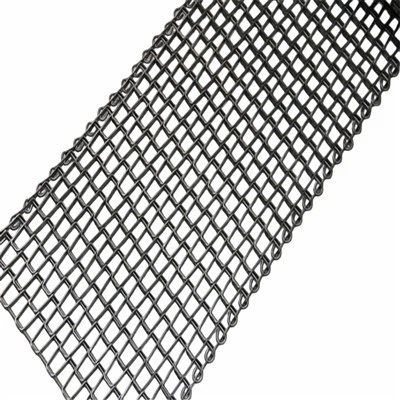

As a supplier of metal conveyor belts, I've witnessed firsthand the critical role these components play in various industries. From food processing to automotive manufacturing, metal conveyor belts are the unsung heroes that keep production lines running smoothly. However, like any machinery, their efficiency can be optimized to enhance productivity and reduce costs. In this blog, I'll share some practical tips on how to improve the efficiency of a metal conveyor belt.
1. Regular Maintenance and Inspection
One of the most effective ways to improve the efficiency of a metal conveyor belt is through regular maintenance and inspection. Over time, conveyor belts can wear out, develop cracks, or accumulate debris, all of which can slow down the conveyor system and increase the risk of breakdowns. By conducting routine inspections, you can identify and address potential issues before they become major problems.
- Cleaning: Regularly clean the conveyor belt to remove dirt, dust, and other debris. This not only improves the belt's performance but also extends its lifespan. Use a mild detergent and a soft brush to clean the belt, and make sure to dry it thoroughly before restarting the conveyor.
- Lubrication: Proper lubrication is essential for reducing friction and wear on the conveyor belt. Apply a high-quality lubricant to the belt's moving parts, such as the rollers and bearings, according to the manufacturer's recommendations.
- Tension Adjustment: Check the tension of the conveyor belt regularly to ensure it is properly adjusted. A loose belt can cause slippage, while an overly tight belt can put excessive stress on the belt and the conveyor system. Use a tension gauge to measure the belt's tension and adjust it as needed.
- Belt Alignment: Misaligned belts can cause uneven wear and tear, leading to premature failure. Check the alignment of the conveyor belt regularly and make any necessary adjustments. You can use a laser alignment tool to ensure the belt is running straight.
2. Choose the Right Conveyor Belt
Selecting the right conveyor belt for your application is crucial for maximizing efficiency. Different types of conveyor belts are designed for specific industries and applications, and choosing the wrong belt can result in reduced performance and increased costs.


- Material: The material of the conveyor belt is an important consideration. Metal conveyor belts are available in a variety of materials, including stainless steel, carbon steel, and aluminum. Each material has its own unique properties, such as strength, durability, and corrosion resistance. Choose a material that is suitable for your application and environment.
- Design: The design of the conveyor belt also plays a role in its efficiency. There are several types of conveyor belts available, including Metal Spiral Wire Mesh Conveyor Belts, Chain Spiral Wire Mesh Conveyor Belts, and Ladder Conveyor Belt. Each type of belt has its own advantages and disadvantages, so choose a design that is appropriate for your application.
- Size: The size of the conveyor belt is another important consideration. Make sure to choose a belt that is the right width and length for your application. A belt that is too narrow or too short can cause problems, such as spillage and reduced capacity.
3. Optimize the Conveyor System
In addition to choosing the right conveyor belt, optimizing the conveyor system can also improve its efficiency. Here are some tips on how to optimize your conveyor system:
- Layout: The layout of the conveyor system can have a significant impact on its efficiency. Make sure to design the system in a way that minimizes the distance the conveyor belt has to travel and reduces the number of turns and curves. This can help to reduce the amount of energy required to operate the conveyor and improve its overall performance.
- Speed: The speed of the conveyor belt is another important factor to consider. Make sure to set the speed of the conveyor belt at an appropriate level for your application. A belt that is too slow can cause bottlenecks and reduce productivity, while a belt that is too fast can cause spillage and damage to the products being transported.
- Load Capacity: The load capacity of the conveyor belt is also an important consideration. Make sure to choose a belt that has a sufficient load capacity for your application. Overloading the conveyor belt can cause it to break down and reduce its lifespan.
4. Train Your Employees
Proper training of your employees is essential for ensuring the efficient operation of your conveyor system. Make sure to provide your employees with the necessary training on how to operate and maintain the conveyor system. This can help to reduce the risk of accidents and breakdowns and improve the overall efficiency of the system.
- Safety Training: Safety training is an important part of employee training. Make sure to provide your employees with training on how to safely operate the conveyor system, including how to use personal protective equipment and how to avoid common hazards.
- Maintenance Training: Maintenance training is also important for ensuring the efficient operation of the conveyor system. Make sure to provide your employees with training on how to perform routine maintenance tasks, such as cleaning, lubrication, and tension adjustment.
- Troubleshooting Training: Troubleshooting training can help your employees to identify and address potential problems with the conveyor system before they become major issues. Make sure to provide your employees with training on how to troubleshoot common problems, such as belt slippage, misalignment, and breakdowns.
5. Monitor and Analyze Performance
Monitoring and analyzing the performance of your conveyor system is essential for identifying areas for improvement. By tracking key performance indicators (KPIs), such as throughput, uptime, and maintenance costs, you can identify trends and patterns that can help you to optimize the efficiency of your conveyor system.
- Throughput: Throughput is a measure of the amount of material that the conveyor system can transport in a given period of time. By tracking throughput, you can identify bottlenecks and inefficiencies in the system and take steps to address them.
- Uptime: Uptime is a measure of the amount of time that the conveyor system is operational. By tracking uptime, you can identify the causes of downtime and take steps to reduce it.
- Maintenance Costs: Maintenance costs are a measure of the amount of money that is spent on maintaining the conveyor system. By tracking maintenance costs, you can identify areas where you can reduce costs and improve the efficiency of the system.
In conclusion, improving the efficiency of a metal conveyor belt requires a combination of regular maintenance, proper selection of the conveyor belt, optimization of the conveyor system, training of employees, and monitoring and analysis of performance. By following these tips, you can improve the productivity and reliability of your conveyor system and reduce costs. If you have any questions or would like to learn more about our metal conveyor belts, please feel free to contact us for a procurement discussion.
References
- Conveyor Belt Handbook, published by the Conveyor Equipment Manufacturers Association (CEMA).
- Industrial Conveyor Systems: Design and Selection, by Andrew J. Crolla.
- Belt Conveyors for Bulk Materials: Calculation and Design, by CEMA.