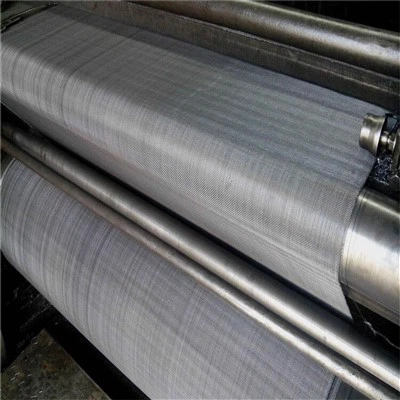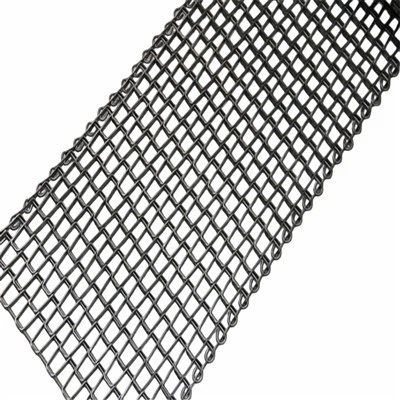

Hey there! As a supplier of decorative wire mesh, I've gotten a lot of questions about the magnetic properties of our products. So, I thought I'd dive into this topic and share what I've learned.


First off, let's understand what magnetic properties are. Magnetism is a force that can attract or repel certain materials. In the world of metals, some are magnetic, and some aren't. The most common magnetic metals are iron, nickel, and cobalt. When it comes to decorative wire mesh, the magnetic property depends on the material it's made of.
Types of Decorative Wire Mesh and Their Magnetic Properties
Stainless Steel Decorative Wire Mesh
Stainless steel is a popular choice for decorative wire mesh. There are different grades of stainless steel, and their magnetic properties vary. Austenitic stainless steels, like 304 and 316, are generally non - magnetic. These grades are often used in decorative applications because they're corrosion - resistant and have a nice appearance.
For example, if you're looking for a sleek, modern look for your interior design project, a Crimped Decorative Wire Mesh made of austenitic stainless steel would be a great option. It won't be attracted to a magnet, which can be an advantage in some situations, like when you don't want it to interfere with electronic devices.
On the other hand, ferritic and martensitic stainless steels are magnetic. Ferritic stainless steels, such as 430, have a higher iron content, which makes them magnetic. They're also more affordable than austenitic grades, but they're not as corrosion - resistant. Martensitic stainless steels, like 410, are also magnetic and have good strength, but they're more prone to corrosion compared to austenitic steels.
Galvanized Decorative Wire Mesh
Galvanized wire mesh is made by coating steel wire with zinc. The base steel is usually magnetic because it contains iron. The zinc coating doesn't change the magnetic property of the underlying steel. Galvanized wire mesh is often used for outdoor applications because the zinc coating provides protection against rust.
If you're working on an outdoor architectural project, a Link Chain Decorative Wire Mesh made of galvanized steel could be a good choice. It has that rustic look and the magnetic property can be useful if you need to attach it to a magnetic surface.
Brass Decorative Wire Mesh
Brass is an alloy of copper and zinc. It's non - magnetic because neither copper nor zinc is magnetic. Brass decorative wire mesh has a beautiful golden color and is often used for decorative purposes, such as in interior design or jewelry making.
For a touch of luxury in your project, an Architectural Golden Color Decorative Wire Mesh made of brass can add a unique and elegant look. And since it's non - magnetic, it won't cause any magnetic interference.
Why Does the Magnetic Property Matter?
The magnetic property of decorative wire mesh can be important in various applications. In some cases, you might want the mesh to be magnetic so that it can be easily attached to a magnetic surface. For example, in a display or signage application, a magnetic wire mesh can be quickly and easily installed on a magnetic board.
On the other hand, if you're using the wire mesh in an environment where magnetic interference could be a problem, such as near electronic equipment, you'll want a non - magnetic mesh. Non - magnetic meshes are also preferred in some aesthetic applications where you don't want the mesh to be affected by magnetic fields.
Testing the Magnetic Property
Testing the magnetic property of decorative wire mesh is pretty simple. You can use a small magnet. Just bring the magnet close to the wire mesh. If the mesh is attracted to the magnet, it's magnetic. If there's no attraction, it's non - magnetic.
It's important to note that sometimes, the surface finish or coating on the wire mesh can affect the test results. For example, a thick layer of paint or a non - magnetic coating might reduce the magnetic attraction. So, it's a good idea to test the mesh in an area where the coating is thin or removed.
Applications Based on Magnetic Properties
Magnetic Mesh Applications
- Display and Signage: As mentioned earlier, magnetic wire mesh can be used for display and signage. You can attach posters, photos, or other materials to the mesh using magnetic clips. This makes it easy to change the display whenever you want.
- Industrial Fixtures: In industrial settings, magnetic wire mesh can be used to hold small parts or tools. It can be attached to a magnetic wall or surface, providing a convenient storage solution.
Non - Magnetic Mesh Applications
- Electronics Enclosures: Non - magnetic wire mesh is ideal for electronics enclosures. It can be used as a shield to protect the electronics from external electromagnetic interference.
- Interior Design: In interior design, non - magnetic wire mesh can be used to create partitions, screens, or decorative elements without worrying about magnetic interference.
Conclusion
In conclusion, the magnetic property of decorative wire mesh depends on the material it's made of. Stainless steel, galvanized steel, and brass are some of the common materials, each with its own magnetic characteristics. Whether you need a magnetic or non - magnetic mesh depends on your specific application.
If you're interested in purchasing decorative wire mesh for your project, feel free to reach out. We have a wide range of options available, and our team can help you choose the right one based on your needs. Let's have a chat and see how we can make your project a success!
References
- "Materials Science and Engineering: An Introduction" by William D. Callister, Jr. and David G. Rethwisch
- "Handbook of Stainless Steels" by Yuri A. Kolubaev and Kiyotaka Nogi