

Twill Weave Stainless Steel Wire Mesh
Product Introduction
Twill weave stainless steel wire mesh is a sophisticated industrial fabric created by interlacing stainless steel wires in a distinct diagonal pattern. Unlike plain weave, where wires cross over and under every single opposing wire, the twill weave involves the weft wire passing over two or more warp wires. This technique produces a mesh with a characteristic diagonal ribbing on its surface, allowing for higher mesh counts and denser structures while maintaining good strength.


Material
The mesh is manufactured using premium stainless steel wires, selected for their durability and resistance to harsh environments.
Standard Grades:
304 (06Cr19Ni10) / 304L: The most common grade, offering excellent corrosion resistance, formability, and value for general industrial applications.
316 (06Cr17Ni12Mo2) / 316L: Contains molybdenum for enhanced resistance to chlorides and acidic chemicals. Ideal for marine environments, food processing, and pharmaceutical applications.
Other Grades: 310S (high-temperature resistance), 321, 347, 430, etc., for specialized applications requiring specific magnetic or thermal properties.
Wire Condition: Precision-drawn, bright annealed wire ensuring consistent diameter and a clean, smooth surface.
Specifications
The specifications are defined by Mesh Count, Wire Diameter, Aperture, and Width.
Mesh Range: Twill weave excels in the medium to ultra-fine range.
Standard Twill: Typically from 20 mesh up to 400 mesh.
Fine Twill: Commonly used in 50 mesh to 250 mesh ranges for precise filtration.
High Mesh Twill: Can achieve mesh counts as high as 635 mesh or more, where plain weave becomes impractical due to wire displacement.
Weaving Style: Strictly follows the Twill Weave pattern (e.g., 2/2 twill, where the weft wire passes over two warp wires and then under two). This creates the distinctive diagonal lines and allows for a tighter packing of wires.
Width and Length:
Standard Widths: 0.6m, 0.914m, 1.0m, 1.2m. Custom slitting and widths are available upon request.
Standard Length: Typically 30 meters per roll.


Product Features
Higher Mesh Density: The twill pattern allows more wires per inch compared to plain weave, enabling filtration of finer particles.
Distinctive Diagonal Pattern: The visible diagonal lines on the surface indicate a strong interlock between wires.
Excellent Stability: The longer floats (wires passing over multiple opposing wires) distribute stress, resulting in a stable mesh that resists wire shifting.
High Strength-to-Weight Ratio: Provides robust performance without excessive weight or thickness.
Smooth Surface with Good Drape: Often more flexible than plain weave of equivalent mesh count, allowing it to conform to curved surfaces in some applications.
Product Display (Visual Descriptions)
Roll Form
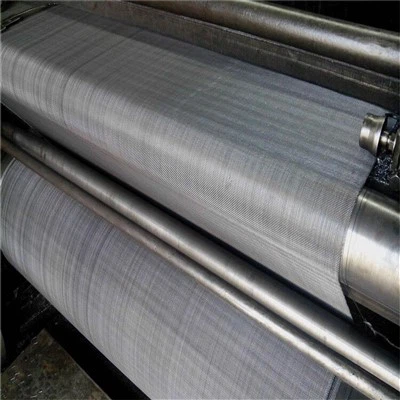
Supplied in tightly wound rolls on heavy-duty cores, protected by multiple layers of moisture-resistant and anti-scratch materials.
Mesh Detail
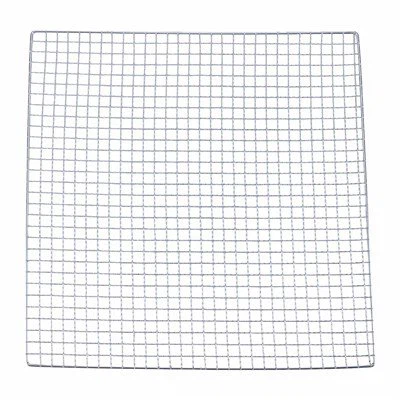
Upon close inspection, the characteristic diagonal ribs are visible across the surface. The weave is precise and uniform, with consistent openings.
Edge Treatment
Edges are professionally trimmed. Special reinforcement or taping can be applied to edges to prevent unravelling during intensive use or handling.


Applications
The unique structure of twill weave makes it ideal for demanding applications:
Precision Filtration: Used extensively in the chemical, pharmaceutical, and food industries for filtering fine particles, slurries, and liquids where high clarity is required.
Plastics and Rubber Industry: As backing screens for extruders and pelletizing screens due to its strength and ability to handle high temperatures.
Mining and Mineral Processing: For fine coal screening, dewatering, and processing of mineral slurries.
Pulp and Paper Industry: Used in pulp washers, thickeners, and as forming fabrics due to its good drainage and retention properties.
Aerospace and Automotive: For fine filtration of hydraulic fluids, fuels, and lubricants.
Architectural Features: Sometimes used in decorative panels where a subtle texture and high strength are desired.

Packaging & Transportation
We ensure the product integrity during transit with robust packaging protocols.

Inner Packaging
Each roll is wrapped in a layer of non-woven fabric or tissue paper to prevent surface abrasion.
Followed by a moisture-proof layer of plastic film or kraft paper.
Desiccant packs are included for long-distance or high-humidity shipments.

Outer Packaging
Standard: Sealed in heavy-duty poly-weave bags or strong cardboard cartons with reinforced ends.
Export (Heavy Rolls): Securely strapped to fumigation-free plywood pallets or enclosed in wooden crates to provide maximum protection against impact and crushing during sea or land freight.

Transportation
Suitable for all modes including sea freight (FCL/LCL), air freight, rail, and express courier services. Clear handling instructions (e.g., "Keep Dry," "This Side Up") are marked on the packaging.
FAQ (Frequently Asked Questions)
Hot Tags: twill weave stainless steel wire mesh, China twill weave stainless steel wire mesh manufacturers, suppliers, factory, AISI316 stainless steel wire mesh, Filter Screen, filter woven wire mesh, plain Weave Steel Wire Mesh, SS302 stainless steel wire mesh, Stainless Steel Micro Metal Mesh Filter Screen