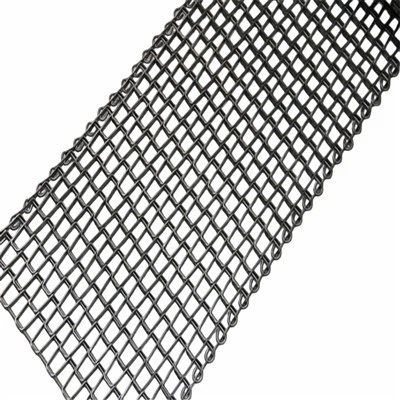

Hey there! I'm a Cut Wire supplier, and I know how crucial it is to comply with regulations and policies when dealing with this product. In this blog post, I'll share some tips and insights on how to stay on the right side of the law when it comes to Cut Wire.
First off, let's understand what Cut Wire is. Cut Wire refers to wire that has been cut into specific lengths for various applications. You can check out our offerings Cut Wire to get a better idea of what it looks like and what it can be used for. It's used in industries like construction, manufacturing, and even in some art projects. But with great product comes great responsibility, and part of that responsibility is complying with relevant regulations and policies.
Understanding Regulatory Bodies
The first step in compliance is to know which regulatory bodies you need to pay attention to. Depending on your location and the destinations you're exporting to, different agencies might have a say in how you handle Cut Wire. In the United States, for example, the Occupational Safety and Health Administration (OSHA) sets standards for workplace safety. If your cut wire is being used in a manufacturing setting, you need to make sure that all handling and storage procedures are in line with OSHA's guidelines.
Another important set of regulations comes from environmental agencies. If your Cut Wire is made from certain metals or has coatings, you might need to comply with environmental protection laws to ensure that there's no leakage of harmful substances into the environment. For instance, the Environmental Protection Agency (EPA) in the US regulates the disposal and handling of materials that could potentially be hazardous.
Product Quality and Safety Standards
Compliance also means meeting product quality and safety standards. When it comes to Cut Wire, this includes things like the diameter of the wire, its tensile strength, and the quality of the cut. You need to make sure that your Cut Wire is consistent in its specifications. For example, if you're selling Cut Wire for use in a construction project, the contractor needs to know that every piece of wire they receive will have the same strength and dimensions.
One way to ensure quality is to have a rigorous quality control process in place. This could involve regular testing of samples from each batch of Cut Wire you produce. You can use specialized equipment to measure the wire's properties and compare them against the required standards. If you find any discrepancies, you need to take immediate action to correct them.
Labeling and Documentation
Proper labeling and documentation are key aspects of compliance. Your Cut Wire products should be clearly labeled with information such as the type of metal, the wire gauge, and any safety warnings. This helps the end - user to handle the product correctly and also provides transparency in the supply chain.
In addition to labeling, you need to keep detailed documentation of your production processes, testing results, and any certifications you hold. For example, if your Cut Wire has been tested and certified to meet certain international standards, you should keep copies of those certificates and be ready to provide them to customers upon request. This documentation can also be useful in case of an audit by regulatory authorities.
Shipping and Transportation Regulations
When it comes to shipping Cut Wire, there are also regulations to follow. Different countries have different rules regarding the import and export of metals. For example, some countries might have restrictions on the import of wires made from certain metals due to environmental or security concerns.
You need to make sure that your shipping documents are accurate and complete. This includes the bill of lading, which details the contents of the shipment, and any certificates of origin. You also need to ensure that the Cut Wire is properly packaged for transportation to prevent damage and to comply with shipping safety regulations. For example, if the wire is sharp, it should be packaged in a way that protects handlers from injury.
Staying Updated on Policy Changes
Regulations and policies are not static. They change over time, and as a Cut Wire supplier, you need to stay on top of these changes. One way to do this is to subscribe to industry newsletters and regulatory updates. You can also join industry associations, which often provide members with information about new policies and regulations.
For example, if there's a change in the environmental regulations regarding the coating on your Cut Wire, you need to be aware of it as soon as possible. You might need to adjust your production processes or find alternative coatings to comply with the new policy.
Comparing with Related Products
It's also a good idea to understand how regulations for Cut Wire compare with those for related products such as Black Annealed Wire and Barbed Wire. While there are some similarities, there are also differences.
Black Annealed Wire is often used for tying and binding in construction and agriculture. The regulations for this product might focus more on its flexibility and corrosion resistance. On the other hand, Barbed Wire is mainly used for security fencing, and its regulations might be more concerned with its sharpness and the safety of installation.
The Importance of Compliance
Complying with regulations and policies related to Cut Wire is not just about avoiding fines and legal issues. It's also about building trust with your customers. When your customers know that you're a reliable supplier who meets all the necessary standards, they're more likely to do business with you.


Moreover, compliance can lead to better product quality and safety. By following the regulations, you're ensuring that your Cut Wire is safe to use and performs as expected. This can reduce the risk of accidents and product failures, which is beneficial for both you and your customers.
Contact for Purchase
If you're interested in purchasing high - quality Cut Wire that complies with all relevant regulations and policies, don't hesitate to reach out. We're here to provide you with the best products and answer any questions you might have. Feel free to start a conversation with us to discuss your specific needs.
References
- Occupational Safety and Health Administration (OSHA) guidelines.
- Environmental Protection Agency (EPA) regulations.
- Industry newsletters and regulatory updates.