
Hey there! As a supplier of Gabion Boxes, I often get asked whether these nifty things are environmentally friendly. So, I thought I'd sit down and have a good chat about it in this blog post.
First off, let's talk a bit about what gabion boxes are. They're basically wire containers filled with stones, rocks, or other materials. You can find them all over the place - along riverbanks to prevent erosion, in construction projects to create retaining walls, and even in landscaping to add a cool, rustic touch.
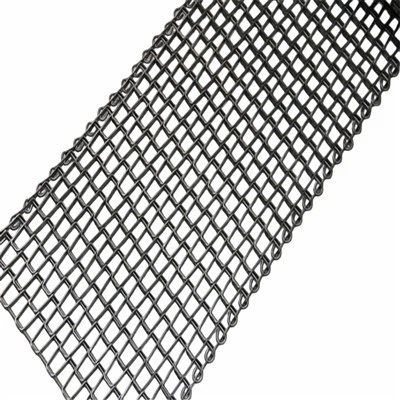
Now, when it comes to the environmental aspect, let's start with the materials used. The wire mesh used for gabion boxes, like the ones we supply, is usually made from galvanized steel or PVC - coated steel. Galvanization is a process where a layer of zinc is added to the steel to prevent rusting. Zinc is a naturally - occurring element, and it's pretty common in the environment. It's also non - toxic in small amounts.
The PVC coating on some of the wire meshes is a bit more controversial. PVC (polyvinyl chloride) has gotten a bad rap in the past because of the potential for releasing harmful chemicals when it breaks down. But modern PVC coatings used in gabion box production are designed to be more stable and less likely to leach toxins. And the good news is that a lot of the wire we use doesn't even need a PVC coating. Galvanized steel can do a great job on its own, lasting for decades without rusting.
Then there are the fill materials. Gabion boxes can be filled with all sorts of stuff, like locally - sourced stones. Using local stones is a huge plus for the environment. Instead of transporting materials over long distances, which burns a lot of fuel and releases greenhouse gases, we can use what's right at hand. For example, if there's a quarry nearby, we can pick up the stones easily. This not only reduces the carbon footprint but also supports the local economy.
Another great thing about gabion boxes is their durability. Once they're installed, they can last for a really long time. You won't have to replace them every few years like some other construction materials. This means less waste going to landfills in the long run. Also, if at some point you need to remove a gabion box wall, the stones can be reused in other projects, and the wire mesh can be recycled.
Let's take a look at how gabion boxes contribute to ecological balance. When used in riverbank protection, they create a porous structure. This allows water to flow through, which is great for fish and other aquatic life. The spaces between the stones provide habitats for small organisms, which in turn can support a larger ecosystem. In landscaping, gabion boxes can be used to create terraced gardens. These gardens can help retain soil moisture, reduce runoff, and provide a home for plants and insects.
Now, it's not all roses. There are some potential environmental concerns. The production of the wire mesh does require energy, and there's always a bit of waste involved in the manufacturing process. But companies are constantly working on improving their processes to reduce energy consumption and waste. We're also looking into more sustainable materials for the wire mesh, like recycled steel.
Also, if the gabion boxes are not properly installed or maintained, they can cause problems. For example, if the wire mesh breaks and the stones get loose, it could disrupt the natural flow of a river or cause damage to surrounding areas. That's why it's important to work with experienced installers and to follow best - practice guidelines.


Comparing gabion boxes with other similar products, they often come out on top in terms of environmental friendliness. For instance, concrete retaining walls are commonly used in construction. But concrete production is a major contributor to carbon emissions. It takes a lot of energy to heat the materials to make cement, which is a key component of concrete. And once a concrete wall is damaged or no longer needed, it's often difficult and expensive to recycle.
On the other hand, gabion boxes offer a more flexible and sustainable alternative. They can be easily adjusted and adapted to different sites and conditions.
If you're interested in other products we offer, check out our Chicken Wire Mesh. It's another great option for various applications, whether it's for gardening or light - duty fencing. And of course, if you're in the market for Gabion Boxes, we've got you covered. We can provide high - quality gabion boxes at competitive prices.
In conclusion, gabion boxes are generally environmentally friendly. They use relatively sustainable materials, have a long lifespan, and can contribute to ecological balance. While there are some areas for improvement, the benefits far outweigh the drawbacks.
If you're thinking about using gabion boxes in your next project, whether it's a small landscaping job or a large - scale construction project, I'd love to chat with you. Let's discuss your needs and how we can help you achieve your goals. Just reach out, and we'll start the conversation.
References
- Smith, J. (2020). Sustainable Construction Materials. New York: Green Press.
- Johnson, M. (2019). Environmental Impacts of Building Materials. London: Eco - Insights Publishing.